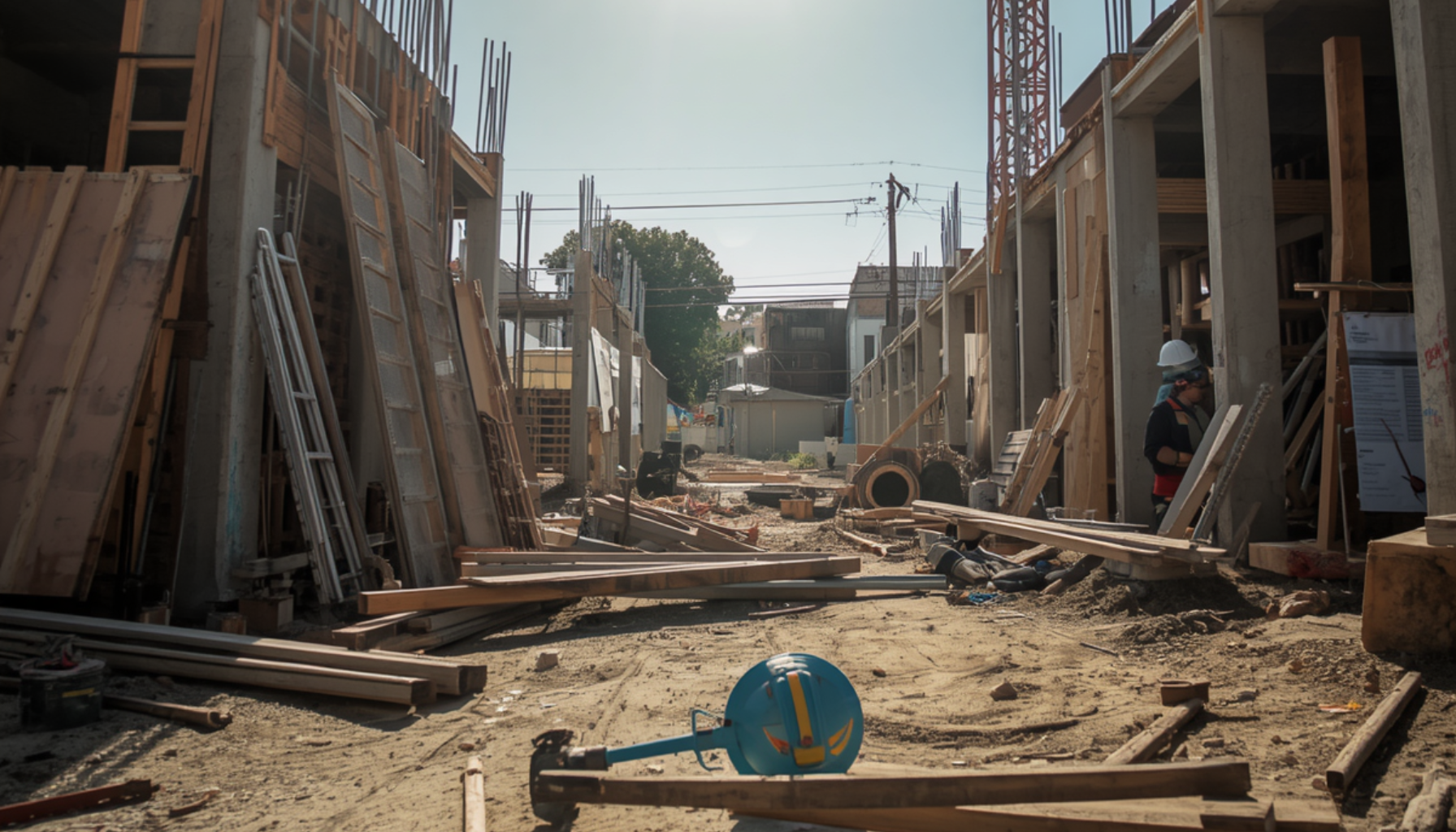


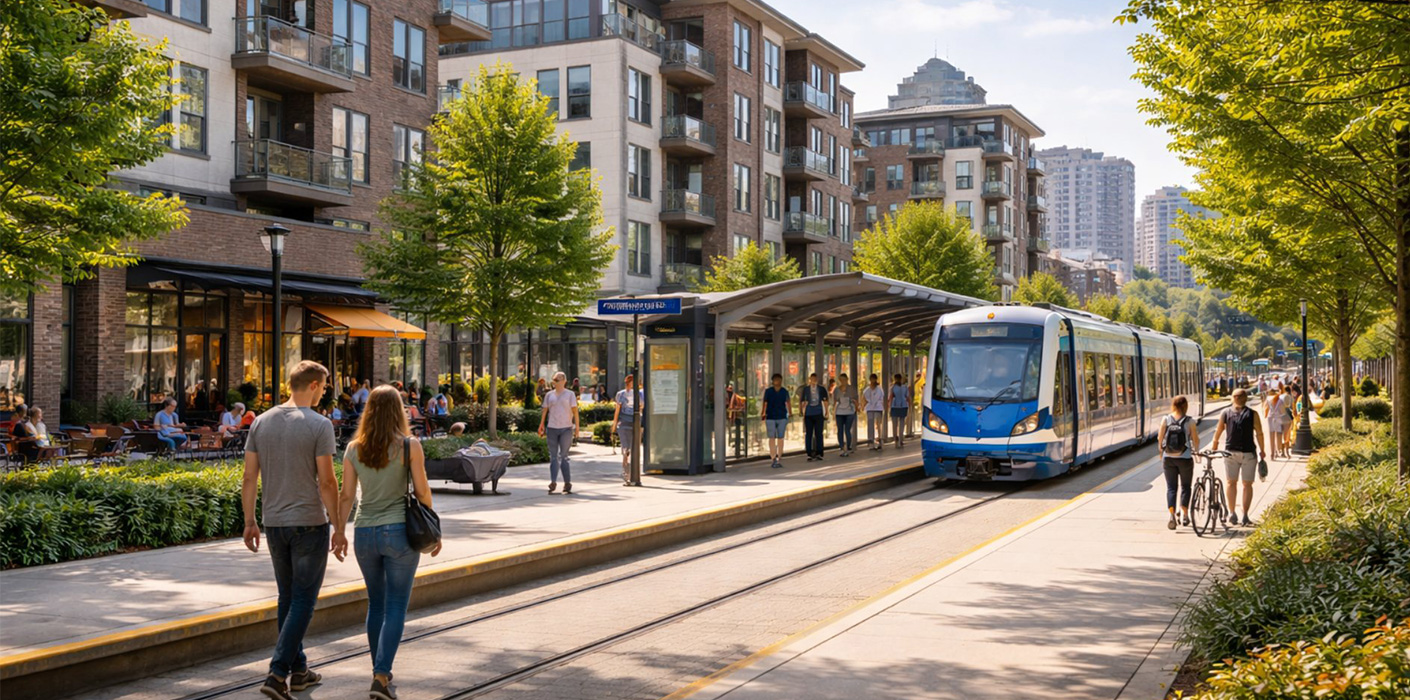
Transit-oriented housing is rapidly reshaping the residential development landscape in Los Angeles. With new housing policies such as California Senate Bill 79, the state aims to increase housing density near public transportation systems, including metro rail stations and major bus corridors.
For homeowners, developers, and investors in Los Angeles, this legislation is creating new opportunities for ADU construction, multi-unit development, and property remodels near transit routes. In this guide, we explore how SB-79 works, why transit-oriented housing is growing in Los Angeles, and how it may impact property development across the city.
What Is Transit-Oriented Housing?
Transit-oriented housing refers to residential developments built close to public transportation systems such as train stations, metro lines, and high-capacity bus routes.
In cities like Los Angeles, transit-oriented development (TOD) encourages:
- Higher housing density near transit hubs
- Reduced dependence on personal vehicles
- Increased access to public transportation
- Sustainable urban growth
Los Angeles has invested heavily in expanding its transit network through the Los Angeles County Metropolitan Transportation Authority, commonly known as LA Metro. This expansion is driving new housing demand around major transit corridors.
What Is SB-79 and Why It Matters for Los Angeles
California Senate Bill 79 is designed to encourage more housing construction near public transportation infrastructure across California.
The legislation aims to:
- Increase residential density near transit stations
- Simplify development regulations for transit-adjacent housing
- Encourage mixed-use and multi-family developments
- Reduce parking requirements in transit-rich areas
For Los Angeles neighborhoods located near metro stations or major bus corridors, SB-79 could significantly expand opportunities for new housing projects, ADUs, and property redevelopments.
How SB-79 Impacts ADU Development in Los Angeles
Accessory Dwelling Units (ADUs) are already popular in Los Angeles due to housing shortages and high rental demand. SB-79 may further accelerate ADU development near transit routes.
Properties located near metro stations may benefit from:
- Reduced parking requirements for ADUs
- Easier approvals for additional housing units
- Greater flexibility in property density
- Increased property value due to transit access
For homeowners, this means building an ADU near transit lines in Los Angeles could become even more attractive as housing demand continues to grow.
Transit Corridors Driving Housing Demand in Los Angeles
Several major transit corridors in Los Angeles are expected to experience increased development activity due to transit-oriented housing policies.
These include areas surrounding:
- Los Angeles Metro Rail lines
- Major bus rapid transit routes
- Planned metro station expansions
Neighborhoods located within walking distance of transit stations often attract developers interested in building multi-family housing, ADUs, and mixed-use residential projects.
Transit accessibility is becoming one of the most important factors influencing property development in Los Angeles.
Why Transit-Oriented Housing Is Growing in Los Angeles
Los Angeles faces a major housing shortage, and transit-oriented housing is seen as one of the most effective ways to increase supply while reducing urban sprawl.
Key reasons for the growth of transit-oriented housing include:
1. Rising Housing Demand
Los Angeles continues to experience strong population growth and housing demand. Building near transit allows cities to accommodate more residents without expanding outward.
2. Sustainability Goals
Transit-oriented housing helps reduce traffic congestion and carbon emissions by encouraging residents to use public transportation instead of driving.
3. Increased Property Value
Homes and residential units located near metro stations often command higher property values due to convenience and accessibility.
4. Urban Revitalization
Transit-oriented projects often lead to new retail spaces, improved infrastructure, and revitalized neighborhoods around transit hubs.
Opportunities for Homeowners and Investors
For property owners in Los Angeles, SB-79 and transit-oriented housing policies may create several opportunities.
These include:
- Building ADUs near transit corridors
- Redeveloping underutilized properties
- Converting single-family homes into multi-unit properties
- Investing in transit-accessible neighborhoods
Properties located within walking distance of metro stations are likely to become increasingly valuable as transit-oriented development expands.
Challenges of Transit-Oriented Development
While transit-oriented housing offers many benefits, there are still challenges developers and homeowners may face.
These include:
- Navigating complex zoning regulations
- Understanding updated density allowances
- Managing permit approval timelines
- Addressing neighborhood planning concerns
Working with professionals familiar with Los Angeles zoning rules and development policies can help streamline the process.
The Future of Housing Near Transit in Los Angeles
Transit-oriented housing is expected to play a major role in the future of Los Angeles development. With ongoing transit expansions and supportive legislation like SB-79, the city is gradually shifting toward higher-density housing near transportation infrastructure.
For homeowners, builders, and investors, this means opportunities to participate in the evolving housing landscape by developing properties near transit corridors.
Transit-oriented housing policies are transforming how residential development happens in Los Angeles. With legislation like SB-79 promoting higher-density housing near metro stations and bus routes, both developers and homeowners have new opportunities to expand housing options across the city.
Whether through ADU construction, property redevelopment, or new housing projects near transit hubs, transit-oriented development is becoming a key part of the future of housing in Los Angeles.