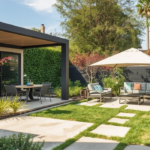



It can be difficult to know where to begin when you're ready for some home improvements. Moreover, Los Angeles is no normal city. Your yard is not just dirt and plants: it’s an extension of your home, a sanctuary, and worth a lot.
The first step towards tapping the full potential of your property is by hiring the perfect landscaping contractor in Los Angeles. This guide will take you through the entire process, making sure you go with a professional who can create your dream yard on budget and on time.
Establish Your Vision and Budget
Establishing your vision and budget is the most important groundwork before commencing your search for a contractor. Clarity saves time, money, and headaches in the years to come.
Writing a Clear Wishlist (Patios, Plants, and Features)
Translate big ideas into specific plans. What do you picture? Do you want a meditation garden, an entertainer’s patio, or a children’s play area?
Create a detailed wishlist, separating must-haves from nice-to-haves. You can create a mood board on Pinterest or Houzz with pin-worthy images of styles, plants, and features you like. Sharing this visual with contractors will greatly help them understand the look and feel you wish to achieve.
Creating a Budget for Landscaping in Los Angeles
The landscaping costs for a Los Angeles project can vary considerably based on materials, labor, and complexity. Research costs for hardscaping (patios, pathways) and softscaping (plants, sprinkler systems) in the Los Angeles area.
When budgeting, keep in mind design fees, permits, and, most importantly, a 10-15% contingency fund for unforeseen circumstances. A defined budget gives you a clearer picture of suitable contractors and whether your vision matches your spend.
Recognizing Long-Term Support Needs and Expenses
Ongoing care will keep your landscape beautiful. Before you commit, think about the maintenance that design will need.
Do you envision a low-maintenance garden that requires minimal watering, or are you ready to prune often, fertilize regularly, and water extensively? Inform your designer or contractor about your preferences beforehand. By understanding these costs, you can avoid surprises in the future and maintain the enjoyment of your outdoor space for many years to come.
Top Places to Find Quality Landscaping Contractors in Los Angeles
When you have a clearer vision and budget, you can start looking. Finding a reliable landscaping contractor that Los Angeles residents rely on requires smart research.
Utilizing Online Sites Like Houzz, Yelp, and Google Reviews
Online platforms are great places to start. Explore stunning portfolios on Houzz and filter by style and location. Reviews from Yelp and Google provide insight into a contractor’s professionalism, communication, and ability to adhere to budgets.
Seek contractors with consistently positive reviews and detailed photos of past work similar to your style. Pay attention to how the contractors react to the positive and negative reviews, as this says a lot about them.
The Influence of Nearby Recommendations and References
Even in this digital age, nothing beats a recommendation from someone you know. Ask for advice from people you know. They can give you first-hand details about working with a specific landscaping contractor in Los Angeles.
When obtaining a referral, ask for more than just the end product. Inquire about their communication throughout the project, whether it ran on time and on budget, and how the contractor responded to any surprises.
Get in Touch with Professional Organizations Like the CLCA
Professional organizations can serve as a great resource. The California Landscape Contractors Association (CLCA) is a key industry group. CLCA membership offers assurance that your contractor adheres to a set of professional standards.

CLCA-affiliated contractors must be licensed and insured and adhere to best practices and safety courses; check their directory for verification. This can add more confidence throughout your search.
The Essential Vetting Process: Checking Credentials and Past Work
Once you have a short list, real due diligence begins. Thorough due diligence is essential to avoid losing money and derailing your project once work begins.
License and Insurance Verification Checklist: Your Must-Have
This may seem obvious, but it is undoubtedly an important step. In California, contractors must be licensed by the Contractors State License Board (CSLB) to perform work costing $500 or more (including labor and materials). To do any landscaping work, a C-27 Landscaping Contractor license is required.
Verify their license number on the CSLB website (cslb.ca.gov) to ensure it is active and in good standing. Also, verify that they possess up-to-date liability insurance and workers' compensation insurance. Hiring an uninsured or unlicensed contractor exposes you to significant risks.
Is Their Style Compatible with Your Design Needs?
Examine each contractor’s portfolio thoroughly. Search for projects that have a similar scope and style to yours. Are their designs consistent with your tastes?
A good portfolio showcases not just their ability but also their design approach and understanding. If you don’t see exactly what you’re looking for, ask if they can provide additional examples of features or plant palettes. This ensures they have the knowledge to execute your plan.
Interviewing Someone’s References? Here Are the Questions You Must Ask
Communicating with previous clients gives invaluable information. Perform a reference check by asking for at least three references and preparing specific open-ended questions.
- How did the project undertaken by the landscaping contractor in Los Angeles go?
- How did the contractor cope with unforeseen issues or variations during the project?
- Was the final cost in line with what you were initially quoted, or were there surprises?
- What did you think of their communication throughout the project? Were your concerns addressed?
Pay attention to their words and tone. This phase provides a preview of their actual performance.
What Makes a Good Landscaping Contractor Different From the Best Landscaper in LA?
Some attributes transcend basic expectations, turning a contractor from good to great, especially in Southern California. Choosing the best landscaper in LA takes careful research.
|
Feature |
Good Contractor |
Best LA Landscaper
|
|
Local Expertise |
Understands general landscaping principles. |
Deep knowledge of LA microclimates, soil types, and native plants. |
|
Design Approach |
Can execute client's vision. |
Proactively suggests sustainable, drought-tolerant, and thriving designs. |
|
Communication |
Responds to inquiries, provides updates. |
Consistent, transparent updates, excellent project management, proactive problem-solving. |
|
Sustainability |
Can install water-efficient systems if requested. |
Specializes in California-native and drought-tolerant designs, saving water and energy. |
|
Problem Solving |
Addresses issues as they arise. |
Anticipates potential issues and offers preventative solutions. |
|
Value |
Delivers on quoted scope. |
Provides long-term value through durable, low-maintenance, and thriving landscapes. |
Knowledge in California-Native and Drought-Tolerant Designs
The best landscaper in LA understands the importance of sustainable design. Given California’s climate realities, expertise in native plants and drought-tolerant design is essential.
Embracing this doesn’t just help you save water; it also lowers your energy bill by reducing irrigation. Furthermore, this will create an effective, beautiful landscape that will thrive in your locality. You're making a smart upscale choice for your property and the planet.
Los Angeles Microclimates and Soil Types Explained
Los Angeles boasts differing microclimates, ranging from coastal fog to oven-like valleys. An expert contractor knows these differences and how they affect the selection and design of plants.
Their deep knowledge of local soil types also means expertise in soil amendments and drainage. Ensuring you hire local specialists with expertise in designing landscapes and cultivating plants is crucial for thriving plants and overall safety.
Ensure Clear Communication and Effective Project Management
Beautiful designs can be ruined if not executed effectively. The best landscaper for LA homeowners will be communicative and consistent. They must update you on the most recent developments, from conceptualization to completion.
Contractors with excellent project management skills complete all work on time, manage subcontractors effectively, and address any complaint or concern immediately. Transparent communication can help you avoid confusion. Subsequently, your project won’t derail due to miscommunication.

Analyzing Proposals and Grasping the Agreement
Now it’s time to compare proposals. It’s not just about the monetary value; understanding what you pay for is essential.
How to Understand a Landscaping Quote and Why the Cheapest Isn't Always the Best
Always get at least three detailed itemized bids. Avoid simply choosing the cheapest option. A cheaper bid doesn’t always reflect high business standards.
Compare the scope of work, materials specified (brands, types, quantities), and the cost breakdown. Look for transparency and depth. A pricier quotation might offer more expensive materials, a more thorough design, or a stronger warranty, providing better value over time.
Mandatory Elements to Include in Your Written Agreement or Contract
A written contract is your legal protection. It should clearly specify:
- All goods and services included in the scope of work.
- A detailed material list specifying the types and quantities of plants, pavers, irrigation components, etc.
- The total project cost, whether a fixed price or a clearly defined payment structure.
- Payment schedule, detailing amounts and dates for each payment.
- A realistic timeframe for starting and finishing the project.
- Warranty information, including guarantees on plants and workmanship.
- How modifications will be handled through the change order process and priced.
Always have a full contract in writing and signed by both you and the contractor.
Payment Schedules and Timelines for Negotiation
In California, it's illegal for a contractor to request a down payment exceeding 10% or $1,000 (whichever is less) for residential projects. Any contractor requesting a greater down payment is suspect.
Structure payments based on project milestones. This can include milestones such as design approval, material delivery, completion of major phases, and walk-throughs. Agree on a timeline that suits you, ensuring payments are tied to satisfactory completion of work.
Warning Signals to Be Wary Of When Employing Workers
Knowing these red flags is your best defense. If you encounter any, the best option is to walk away.
- Be wary of contractors who pressure you with "sign today for a discount" offers. Trustworthy experts allow enough time to think.
- In California, the amount of upfront payment contractors can request is limited by law. A huge red flag is a request for a large amount of money, especially without a contract. This implies an unregulated or dishonest operator. Stories of homeowners who paid cash upfront, only for the contractor to disappear, leaving their yard unfinished and bank account empty, are not uncommon.
- If a contractor is unwilling to commit all agreements, costs, and timelines to a clear, written contract (or their contract is vague), watch out. It is important to put everything in writing to protect both parties.
- Think twice if a contractor has no references or consistently negative online reviews. A significant complaint can reveal a serious problem.
- Failing to have a license or insurance does not bode well for the contractor’s credibility. By hiring an unlicensed or uninsured person, you expose yourself to heavy financial and legal penalties.
Adhering to these tips will prepare you to hire a landscaping contractor in Los Angeles homeowners trust. With the right partner, your dream outdoor space is attainable and will bring you joy for years to come.
Frequently Asked Questions About Landscaping Contractors in Los Angeles
What is the average cost of landscaping in Los Angeles?
Landscaping costs in Los Angeles vary widely, typically ranging from $5,000 for minor updates to over $50,000 for extensive projects. Factors like material choice, design complexity, and labor rates significantly influence the final price. Always budget an additional 10-15% for unforeseen contingencies.
How long does a typical landscaping project take in LA?
The duration of a landscaping project in Los Angeles depends on its scope. Small projects like planting or minor hardscaping might take a few days to a couple of weeks. Larger, comprehensive designs involving permits, extensive hardscaping, and irrigation systems can take anywhere from 4 weeks to several months to complete.
What licenses and insurance should a landscaping contractor have in California?
In California, a landscaping contractor must hold a C-27 Landscaping Contractor license from the CSLB for projects over $500. They should also carry up-to-date liability insurance to cover potential damages and workers' compensation insurance if they have employees. Always verify these credentials on the CSLB website.
Why is drought-tolerant landscaping important in Los Angeles?
Drought-tolerant landscaping is crucial in Los Angeles due to the region's arid climate and ongoing water conservation efforts. It helps homeowners significantly reduce water usage, lower utility bills, and create sustainable, beautiful outdoor spaces that thrive with minimal irrigation, contributing to environmental health.
Should I choose a contractor based solely on the lowest bid?
No, choosing a landscaping contractor based solely on the lowest bid is often a mistake. The cheapest option may indicate lower quality materials, less experienced labor, or an incomplete scope of work. Always compare itemized proposals, focusing on value, material specifications, warranties, and the contractor's reputation to ensure long-term satisfaction.
How can I verify a contractor's references?
To verify a contractor's references, ask for at least three recent client contacts and prepare specific open-ended questions. Inquire about project communication, adherence to budget and timeline, how unforeseen issues were handled, and overall satisfaction. Pay attention to both their words and tone for a comprehensive understanding of the contractor's performance.