


Embarking on a home remodel in 2026 is an exciting journey, sure to take your home up a notch in design and comfort. With proper planning and expertise, your dream shouldn’t turn into a stressful event, experts say. Count on your Native Industry Expert for a high-value roadmap to a successful home renovation that makes sense and feels great. These 10 tips will help you successfully upgrade your home. From meticulous planning to contractor selection and post-renovation maintenance, follow these tips for the best results.
First Key Stage to Follow Prior to Hammering: Have a Detailed Plan.
A detailed plan is key to executing any home renovation successfully. It’s not just dreaming. It’s about anticipating every component of your project long before the demo. Think of it as the outline for your project, ensuring that fewer things go wrong.
Establishing the Goals, Scope and Non-Negotiables
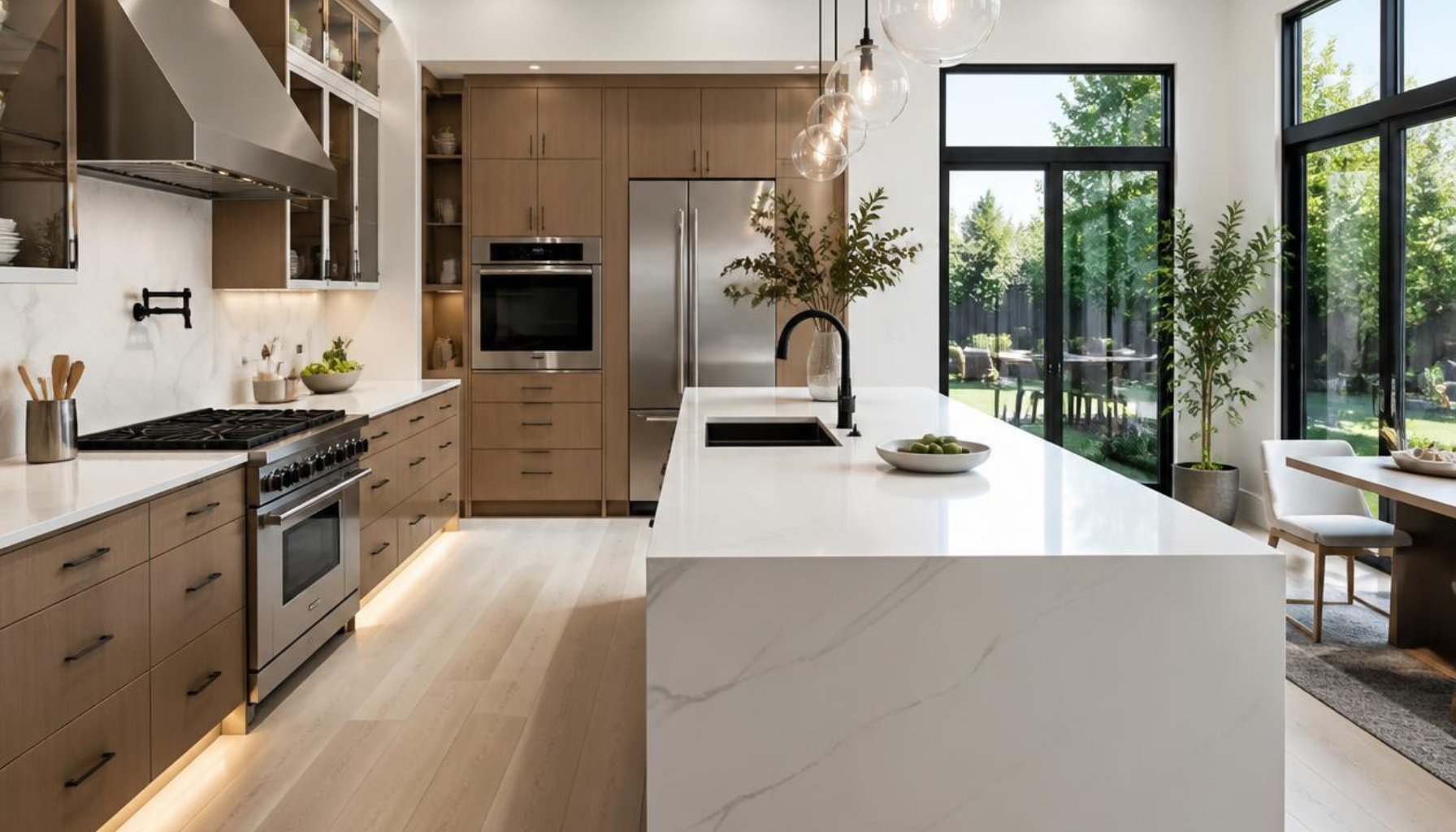
Begin with your 'why.' What are you hoping to get from it? More functional space? More property value? Or a remodel? When remodeling your kitchen, you want it to be open, spacious, and have a lot of storage for all your kitchenware. This preliminary clarity enables your project scope, outlining what is non-negotiable and what is negotiable. A clear vision from the start will prevent scope-creep and help keep the project focused.
Inspiration and Vision Board Creation for 2026 is an Important Part of the Process.
At the beginning of the year, it is essential to visualize what you wish to happen. If you create a vision board either physically or digitally, it will allow you to collect ideas for colors, textures, materials, and layouts. As you look to the kitchen of 2026, maybe you prefer a sleek modern design with a few smart appliances or a rustic farmhouse look. Drawing inspiration from magazines, design websites, and showrooms helps you better communicate what you want from your design and build team. By using this collaborative visualization, everyone has the same aesthetic and functional objectives.
Project Schedule and Phase Design.
An extensive timeline details the phases of your renovation from design to permits, through construction to final touches. You should consider starting from the design phase, then the material selection, demolition, rough-ins for plumbing and electrical work, cabinetry, countertops, and appliance hook-up, especially for a kitchen. By mapping this out, you’ll have a realistic expectation of how long it will take and your chosen professionals can schedule their time accordingly. A timeline can help make expectations clearer and help move work forward.
Tip Number 2 is to Create a Realistic Line-Item Budget.
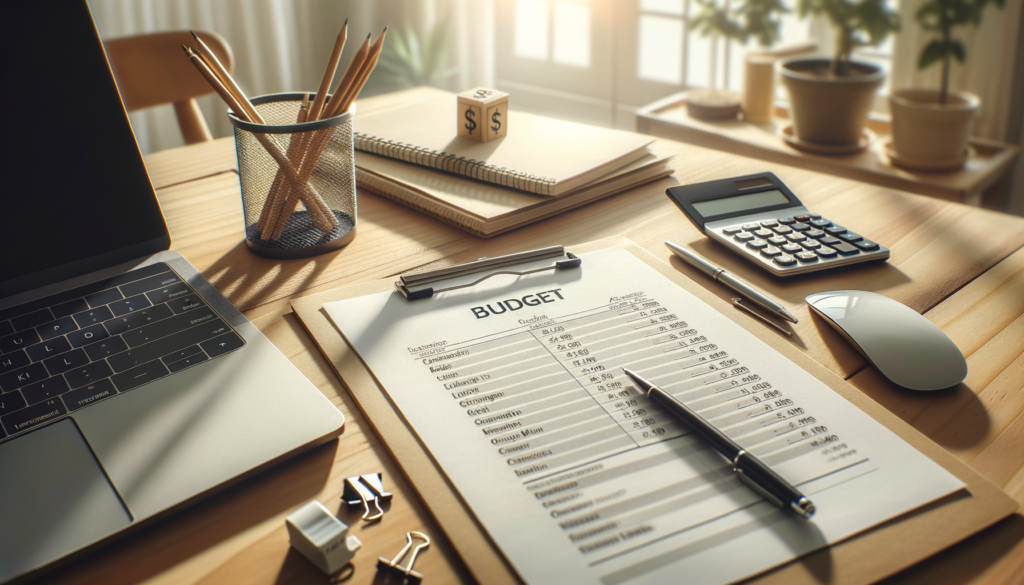
A creative home remodel can go off track without a financial framework. A realistic line-item remodeling budget helps you make every decision from material selection to contractor hiring.
Understanding Cost Composition: Labor vs. Materials.
Your budget is going to be mainly labor and materials. If you have a mid-range bathroom remodel, for example, a total cost will include labor, usually 40-60%. This is for the plumber, electrician, tile setter, and general carpentry. Materials consist of anything from tiles and fixtures to paint and vanity units. Reviewing these components helps you understand where your money is going and identify potential cost savings.
Importance of a 15-20% Contingency Fund for Issues
Without a doubt, this is the most vital budget line item. All renovation jobs should budget for a contingency fund of around 15-20%. Problems are almost bound to arise. Picture discovering water damage behind a wall when you begin demolition. Or that your home’s wiring is so outdated it will all need to come out to bring it up to code. Maybe you will run into some unforeseen structural issue that needs to be addressed first. A contingency fund will save you from stopping the project or sacrificing something essential for repairs, which is very common.
Track Your Renovation Expenses in 2026 with These Tools and Apps.
There are various apps and digital tools as of 2026 to help track every penny. You can choose from simple spreadsheets to budgeting software for home projects. These tools let you sort expenses, check spending against your budget, and keep your receipts. By tracking your budget regularly, you will stay on track financially and make informed purchasing decisions.
Recruit Your Dream Home Remodeling Contractors by Carefully Vetting Your Choices.
Your home remodel will depend on the professionals you work with more than you might realize. The right team is very important, especially your Home Remodeling Contractors who will conduct the project.
Reliable Professionals: Where to Find Them Online and Offline
Seek trustworthy contractors through different channels. Platforms such as Houzz, Angi, and Yelp have reviews and portfolios. Do not take a referral from your friend, family, or neighbor lightly. Ideally, they should have just completed a similar project. If you are a homeowner who is looking for a General Contractor in Woodland Hills, check with the local building association, Better Business Bureau, and verified review sites to ensure a trusted local expert.
The 10 Questions to Ask All Contractors.
Get ready for a thorough interview once you have shortlisted them. The questions below are essential.
- Do you operate with a license and insurance? Make sure both!
- How many projects similar to mine have you done?
- Can I inspect and verify a list of references?
- What is your usual project schedule and availability?
- How do you adapt to changes in project or unexpected issues?
- How often do payments need to be made?
- Do you use subcontractors, and if so, who are they?
- How do you handle on-site cleaning and waste removal?
- What guarantees do you provide for the work?
- What is your communication process during the project's lifespan?
How to Identify a Bad Contractor
Look out for subtle negative signs that can indicate a bad contractor. When looking for the right builder for your renovation or extension project, be very careful of anyone who asks for a large upfront payment, i.e., over 10-20% of the total cost before any work commences. Furthermore, if a contractor is not specific or is unwilling to put anything in writing, step back. Absolutely avoid contractors who tell you to get your own permits, pressure you to make quick decisions, or have no verifiable references or website. Trust your instincts; if it doesn't feel right, it probably is.
Tip 4: Use Timelessly Functional Products Over Trending Ones in 2026.
Even though it is tempting to use the latest designs, focusing on functionality will enable your renovation to remain beautiful and practical for many years to come. Trends may vanish but good design will remain.
Creating a Design That Suits Your Lifestyle
Your house should reflect how you live. While renovating, think about the routines, hobbies, and future needs of your family. The kitchen for a gourmet chef will look quite different from that of a family that eats out most meals. Prioritize elements that improve your comfort and efficient use. For instance, avoid very specific, bold colors that might be the rage in 2026 for your bigger, more permanent surfaces. Neutral, classic tones will allow for easy changes with accessories. For instance, classic hardwood floors add timeless elegance to your space. They are also more durable than many trendy options, making them a better investment.
Time-Tested Kitchen Design Elements Make Home Layouts Functional and Stylish.
The classic design principles, for example, the kitchen work triangle (the path between the sink, refrigerator, and stove) exist for a reason. These principles will help streamline your workflow and make your space more efficient. When a design has proper lighting, enough storage, and ergonomic layouts, it will add more lasting value than appearance. These well-thought-out choices are highly useful in terms of convenience.
Smart Home Integration: Future-Proofing Your Renovation.
To make the renovation future-ready, you should integrate smart home technology like integrated lights, climate control, security systems, and so on. Any technology that you integrate should be compatible with existing systems and easy to upgrade or expand.
Make Smart Material Choices to Enhance Durability and Value.
The materials you choose for your renovation determine how long the renovation will last and what value it adds to your property. Making an Informed Choice Will Ensure the Longevity of Your Investments.
The High-Low Technique: What to Invest In and Where to Save
A clever budgeting technique is to use the “high-low” method. Spend on things that are hard to replace, frequently used, or significantly contribute to their function and how much value they give in the long-term. This could mean installing leak-resistant taps, quality flooring in busy areas, or durable countertops. You can save on things that are simple to change. For example, fixtures, cabinet hardware, or standard-size cabinetry that can be updated with fresh paint or new fronts.
Comparing High-Traffic Materials: Flooring, Countertops, and Cabinetry
Kitchens and bathrooms require tough and durable materials. Consider the kitchen countertop options below:
|
Feature |
Quartz |
Granite |
Marble
|
|
Cost |
Mid to High |
Mid to High |
High |
|
Durability |
Highly durable, heat-resistant, scratch-resistant |
Durable, heat-resistant, can chip/stain if not sealed |
Softer, porous, prone to etching and staining |
|
Maintenance |
Low maintenance, simple wipe clean |
Requires periodic sealing |
Regular sealing plus careful cleaning |
|
Looks |
Similar Patterns, Range of colors |
Natural Variations, Unique Patterns |
Luxurious, Highly Veined, Classic Appeal |
This table shows how different materials meet different needs and budgets. Consider how each choice will affect your way of life.
Eco-Friendly and Sustainable Building Options for 2026
Homeowners in 2026 are increasingly seeking sustainable options. Choose materials that are recycled or sourced locally and have low volatile organic compounds (VOCs). Bamboo flooring, countertops made from recycled glass, and cabinetry made from sustainably harvested wood are great options to benefit your home's air quality and the environment. These selections represent modern values and may yield a greater value at resale.
Make Sure to Understand Your Permits and Contracts to Avoid Red Tape
As with anything involving a contractor, there’s going to be a lot of paperwork. Understanding your permits and contracts is crucial to protecting yourself and your project. Overlooking these steps may result in expensive delays, penalties, or even having to reverse work that has already been done.
Which Renovations Generally Require a Permit in 2026
Different municipalities have different permit requirements; generally any work affecting the structure, safety, or major systems of your house will need one. This includes, in 2026:
- Altering or taking down a load-bearing wall.
- Making major electrical system changes (e.g., adding new circuits).
- Major plumbing work (e.g., relocating pipes for a new bathroom).
- Changing the size of an existing opening for a window or door.
- Any changes made to the home's footprint or exterior.
It’s typically the contractor’s job to handle permits, but you must ensure they do.
Crucial Elements of the Contractor Agreement: Reading the Fine Print
A solid contractor agreement will protect you and your builder. Make sure to check these sections:
- The scope of work details everything that will be part of the project. Be clear!
- Payment Schedule: Define milestones and when payments will be made. Don’t pay the full amount upfront.
- The change order process explains how adjustments to the initial design will be documented, priced, and authorized, helping to avoid conflicts over extra charges.
- The commencement date and anticipated completion date, along with penalties for late completion, should be specified in the timeline.
- Customer service issues and their resolution process.
- Lien Waivers are agreements that prevent a subcontractor or supplier from placing a lien on your property if the general contractor fails to pay them.
The Homeowner's Insurance Role During Construction
Notify your home insurance company of your renovation project. Your policy may require alterations to cover damages, material theft, and on-site injuries, depending on the size of your construction project. It’s a good idea to check if your own insurance policy covers it, although your contractor should have their own liability insurance.
Tip 7: Maintain Clear Communication With Your Team.
Clear communication is essential for a smooth remodeling process. Establishing clear communication upfront avoids misunderstandings that could become costly and frustrating.
Creating and Adhering to a Weekly Check-In Schedule
Proactive communication is essential. It’s important to set up a weekly check-in meeting with your contractor on site. Some possible topics might include:
- Discussing today’s agenda items.
- Reviewing project progress and finalizing agreements.
- Addressing any issues or queries from either party.
- Reviewing expenses and deadlines.
- Confirming material arrivals or selections.
Regular meetings help keep everyone on the same page and facilitate quicker problem resolution.
Communicate Through App, Email, or Text (Your Choice).
Decide on the main channel for urgent updates, daily questions, and documentation with your team. It is acceptable to make a call to discuss things briefly, however, for decisions, changes, and agreements we should always confirm the conversation in writing, via email or a project management app. This will create a crystal-clear account of things and helps prevent 'he said, she said' scenarios. When it’s not urgent, email is best. Text message can also be useful, mainly for quick confirmations.
How to Raise Issues and Changes Proactively and in Writing.
Inevitably, issues or desired changes will arise. Address them with a proactive written statement. If you need to change a design element or material, you will need to submit a change order. The requested change, schedule, and budget impact must be detailed in this document. It must be signed by both you and the contractor. When in doubt, ensure it's documented in the contract. This step helps avoid miscommunication or disputes over an informal handshake agreement and keeps your project on track financially and logistically.
Be Ready for Disruption: How to Live Through the Renovation.
Going through a home renovation can be difficult. But you can prepare yourself for it so that you don’t become overwhelmed. Disruption is expected, so plan for it.
Establishing a Temporary Kitchen and Practical Living Area.
When you’re having your kitchen redone, you will want to set up a temporary cooking area. A checklist of practical items is here:
- Toaster oven or portable stove.
- Coffee machine.
- Small refrigerator.
- Plastic cutlery, paper plates, and cups.
- Slow cooker or pressure cooker.
- Portable electric stove.
- A designated sink for washing purposes.
Establishing a “functional living zone” in another area of your home gives you another space away from the construction area, a place to relax.
Managing Dust, Debris, and On-Site Safety
Renovations create a lot of dust. Take precautionary steps to lessen it.

- Block off work areas using heavy plastic sheeting with zipper doors.
- Protecting your HVAC system is crucial. Switch off your HVAC system during dusty work and seal off returns or vents in the work area. Change your filters frequently.
- Your contractor should clean up daily; however, be sure to cover your valuables and consider hiring a professional for post-construction clean-up.
Regardless of whether you have children or pets, always ensure the job site is safe for all parties. This means keeping tools out of reach and ensuring hazards are clearly marked.
Keeping Pets and Kids Safe and Sound.
An unsettling atmosphere can create stress for kids and pets due to noise and strangers. Establish clear rules for entering construction zones. If noise is problematic, relocate pets temporarily or create a quiet, safe space for them. Communicate information to children in an age-appropriate manner. Follow your regular routine. Also, plan extra outings together. Always ensure their safety and well-being.
Tip 9: The Final Lap: Master the Punch List and Final Walk-Through.
Your home renovation project is almost complete; the final lap is crucial to make sure everything is according to your expectations and contract. It requires careful verification and appropriate financial closure.
What Is a Punch List and How to Prepare One Effectively.
A punch list is a document that lists all items that still need to be completed, fixed, or modified before project completion. This is your final opportunity to identify shortcomings. To make a punch list effective, it must be as detailed and categorized as possible. It also needs to include exact locations.
- Electrical: includes loose, crooked, or faulty installations.
- Plumbing: leaky faucets, slow drains, incorrect water pressure.
- Repaint job: includes drips, uneven coats, missed spots, or paint on trim.
- Finishes: chipped tiles, uneven grout lines, scratched floors, misaligned cabinetry, unclean caulking, or poor color schemes.
- Doors and Windows: sticking doors, unlatching windows, excessive debris.
Examine thoroughly, taking notes and photographs.
Ensure Everything Looks Good During the Final Walk-Through Inspection
As you walk through the place with your contractor, use your punch list. Take your time. Try every light switch, check every drawer, flush every toilet, and feel every surface. Observe the finishes from various perspectives and lighting conditions. Be mindful of seams, alignments, and functionality. Use this opportunity to ensure that the quality of work is up to project standards.
Final Payments and Lien Waivers.
Don’t pay the final payment until the punch list is completed to your satisfaction. Before you sign that final check, you should get a final lien waiver from your general contractor and, if possible, all major subcontractors and suppliers. A lien waiver, signed by the contractor (and ideally subcontractors/suppliers), relinquishes their right to place a lien on your property if you do not pay them. This protects you if your contractor fails to pay their vendors, ensuring you won't be held responsible.
Protect Your Home Renovation with Post-Renovation Care.
Congratulations! Your home remodel is complete, and you’re set to enjoy your new space. However, the journey doesn't stop here. Protecting your asset requires care and organization. Following these final home remodel tips will keep your beautiful new home looking new for years to come.
Organizing Warranties, Manuals, Paint Colors, and More
As soon as your renovation project is complete, collect all product warranties and appliance manuals, as well as any leftover paint cans and the names and codes of all paints used. Put this information in a “home binder.” This can be a physical binder or a digital file. This information will be essential for future repairs, maintenance, or touch-ups. Being aware of how and where to find these details can save you a significant amount of time and hassle later.
Developing a Home Maintenance Schedule for New Features
Your new renovation features will likely require specific care. Make a schedule to keep them in peak condition. This might include the first year after renovation:
- Each month: clean appliance filters and check for grout cracks.
- Every three months, check caulking around sinks, tubs, and showers; wipe down light fixtures.
- Every year: deep clean carpets/rugs, look for signs of water leaks, and check if exterior finishes need attention.
Preventive maintenance is always better than reactive repairs.
Reap the Rewards of Your Efforts by Enjoying Your New Space
Make sure to appreciate the outcome of all your hard work. After all the planning, budgeting, communicating, and temporary disruption, it’s a space that suits your lifestyle and enhances the value of your house. A good remodel is a meaningful investment in your comfort, happiness, and financial future. It will provide lasting satisfaction for many years to come.
Frequently Asked Questions About Home Remodeling in 2026
What are the key stages for planning a home remodel in 2026?
In 2026, key planning stages for a home remodel include establishing clear goals and scope, creating a vision board for design inspiration, and designing a detailed project schedule that outlines phases from design to final touches. Meticulous planning prevents issues and keeps the project on track.
How important is a contingency fund for a 2026 home renovation budget?
A contingency fund of 15-20% is critically important for any home renovation budget in 2026. Unexpected issues like discovering water damage, outdated wiring, or structural problems are common. This fund prevents project halts or sacrificing essential elements due to unforeseen costs.
What should homeowners look for when hiring a remodeling contractor in 2026?
When hiring a remodeling contractor in 2026, homeowners should verify licenses and insurance, ask for references and portfolios of similar projects, inquire about their schedule and communication process, and understand their approach to changes and payments. Avoid contractors demanding large upfront payments or refusing written agreements.
Should I prioritize 2026 trends or timeless design in my home renovation?
For a 2026 home renovation, it's advisable to prioritize timeless, functional design over fleeting trends. While trends can be tempting, classic elements like neutral colors, durable materials, and ergonomic layouts ensure your home remains beautiful and practical for years, offering better long-term value and easier updates with accessories.
What permits are typically required for home renovations in 2026?
In 2026, permits are generally required for renovations affecting your home's structure, safety, or major systems. This includes altering load-bearing walls, major electrical or plumbing work, changing window/door openings, or any exterior footprint changes. Always confirm specific requirements with your local municipality.
How can I manage disruption and maintain safety during a home remodel in 2026?
To manage disruption during a 2026 remodel, establish a temporary kitchen and living area. For safety and cleanliness, block off work zones with plastic sheeting, protect your HVAC system, and ensure daily cleanup by your contractor. Set clear rules for children and pets, providing them with safe, quiet spaces away from the construction.